
You rested.
The pain settled.
You waited a few weeks and then returned to running, football, tennis, golf or the gym.
Everything felt fine at first. Then the same discomfort returned.
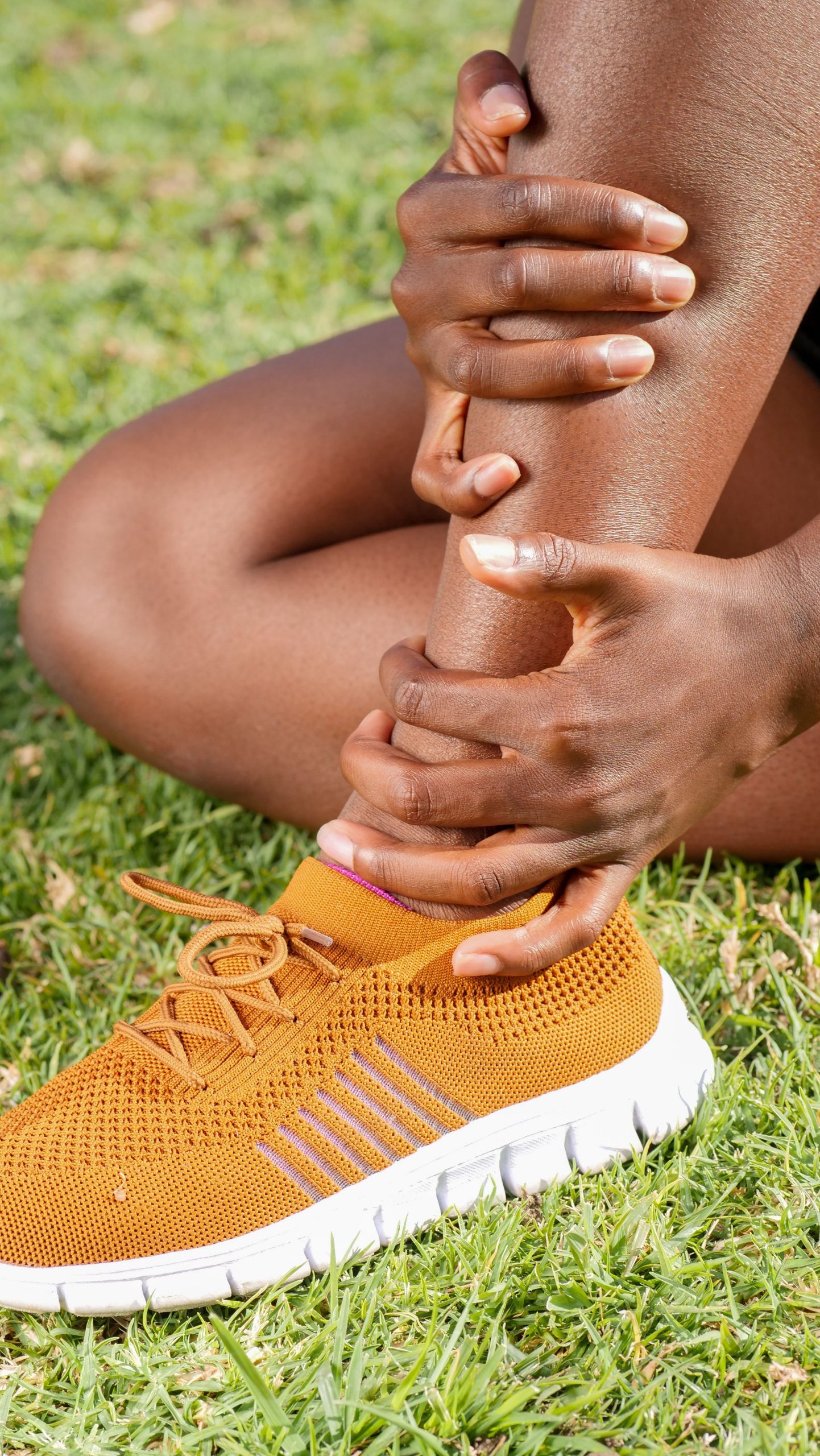
A recurring sports injury can be incredibly frustrating, especially when you thought you had already dealt with it. But the return of symptoms does not necessarily mean you should give up the activity you enjoy.
It may mean that your body was not fully prepared for everything you asked it to do.
Feeling better is not always the same as being ready
Rest can give irritated tissues time to settle. What it does not automatically do is rebuild strength, balance, control, confidence or sporting fitness.
By the time the discomfort has reduced, it is tempting to return at the level you were training before the injury.
But your usual five-mile run, full match or heavy gym session may now represent a sudden jump in demand.
The pain may have gone, but your body’s capacity for that activity may not yet have been rebuilt.
Did your rehabilitation stop too soon?
Rehabilitation needs to take you further than simply managing everyday tasks.
Being able to walk comfortably does not necessarily mean you are ready to sprint. Managing the stairs does not automatically prepare you for jumping, turning or changing direction. Lifting a shopping bag is very different from returning to a heavy gym programme.
Effective sports injury rehabilitation should gradually reconnect the gap between daily movement and the specific demands of your sport.
That may include rebuilding:
- Strength and endurance
- Balance and coordination
- Speed or power
- Confidence in the injured area
- Sport-specific movements
- Tolerance for repeated activity
Sudden changes in training can matter
Recurring sports injuries are not always about one weak muscle or a single movement problem.
Sometimes the biggest clue is a recent change in training.
Perhaps you increased your running distance, added more matches, lifted heavier weights or returned after a holiday. A new surface, different footwear or less recovery between sessions may also change the demands placed on your body.
Training is necessary for becoming stronger and fitter. The key is giving your body time to adapt rather than changing too much at once.
A more gradual return
A successful return to sport is better viewed as a process, not one pass-or-fail moment.
Begin with a manageable version of the activity and gradually build the duration, frequency, intensity and complexity. Try not to increase everything at the same time.
Pay attention to how your body responds during the session and afterwards. Some temporary awareness may occur as you rebuild activity, but pain that becomes progressively worse or repeatedly stops you training should not simply be ignored.
How physiotherapy and sports massage may help
A physiotherapist can assess the recurring injury within the context of your whole activity.
This may include looking at your movement, strength, balance, training history and the demands of your chosen sport. Your rehabilitation can then progress from basic exercises towards the movements you actually need.
Sports massage may complement that plan by helping with muscular tension, comfort and recovery between sessions. However, massage alone does not replace the gradual strengthening and sport-specific rehabilitation often needed for a lasting return.
When should an injury be assessed?
Seek medical advice if you cannot put weight through the injured area, cannot use it normally, have significant swelling or bruising, or symptoms are becoming worse.
An injury that repeatedly returns also deserves a proper assessment, even if it settles between episodes. Understanding the pattern early may help you make more informed decisions about training and recovery.
If the same injury keeps interrupting the sport you enjoy, book a physiotherapy appointment at Luck’s Yard Clinic. We can help you work towards a gradual, individual return rather than another cycle of stopping, resting and starting again.