


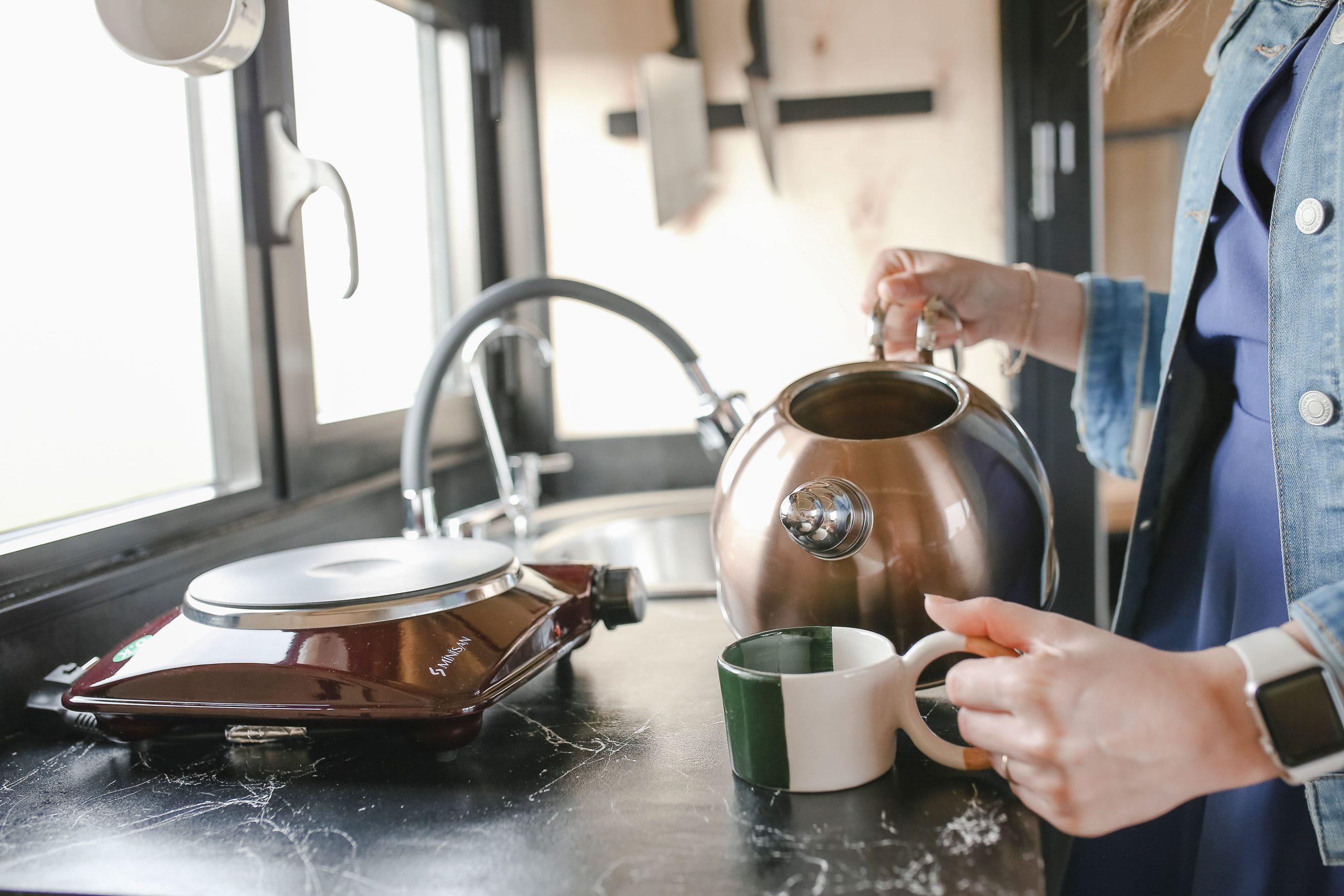
You pick up a full kettle and feel a sharp ache around your elbow. Carrying a shopping bag suddenly feels much harder than it should. Even lifting a mug, opening a jar or gripping the garden secateurs can start to hurt.
It can be surprising how much elbow pain affects everyday life, especially when you cannot remember injuring it.
One possible cause is irritation or sensitivity around the tendons of the forearm, including a common condition often called tennis elbow.
And despite the name, you certainly do not need to own a tennis racquet to develop it.
Why does my elbow hurt when I lift things?
There are several possible causes of elbow pain, so pain when lifting does not automatically mean you have tennis elbow.
However, pain around the outside of the elbow that becomes worse when gripping, lifting or moving the wrist is commonly associated with tennis elbow, also known as lateral elbow tendinopathy.
A tendon is a strong band of tissue that connects muscle to bone. The tendons involved in tennis elbow connect muscles in your forearm to the outside of your elbow.
If the demands placed on these tissues change or increase, the tendon can become sensitive and painful.
This is why something as ordinary as picking up a kettle can suddenly become uncomfortable.
Why a kettle can be particularly uncomfortable
Think about what your arm has to do when you make a cup of tea.
You grip the kettle handle, lift its weight and control your wrist as you move and pour it.
A full kettle is considerably heavier than an empty one, so those muscles and tendons have to work harder.
The NHS lists lifting, gripping and wrist movement among the activities that can aggravate tennis elbow.
You might notice similar discomfort when:
- carrying a shopping bag
- lifting a saucepan
- opening a jar
- turning a door handle
- using scissors or tools
- gardening
- typing or using a mouse
- playing racquet sports
But I don’t play tennis!
The name can be misleading.
Tennis is simply one activity that involves repeated gripping and forearm movement. Gardening, DIY, manual work, computer work and other hobbies can place similar demands on the forearm.
Sometimes symptoms follow a noticeable increase in activity.
Perhaps you have spent a weekend gardening after doing very little gardening over winter. Maybe you have started a new exercise programme, tackled a big DIY project or suddenly increased how often you play a racquet sport.
It does not always take one dramatic injury. A change in how much you ask the arm to do can sometimes be enough to irritate a tendon.
Should I completely rest my elbow?
Reducing activities that noticeably aggravate your elbow can be useful initially, but that does not necessarily mean avoiding movement altogether for weeks.
The aim is often to find a manageable level of activity while the area settles, then gradually rebuild its ability to cope with load.
For example, you could temporarily:
- put less water in the kettle and refill it when needed
- split heavy shopping between two bags
- use two hands for heavier objects
- take breaks during repetitive gardening or DIY
- reduce an activity that repeatedly causes a significant flare-up
As symptoms settle, gradually rebuilding strength is usually important.
Strengthening matters
Tendons need to tolerate load to manage everyday life.
This is one reason exercise is commonly used as part of physiotherapy for tennis elbow.
Rather than simply avoiding the painful movement indefinitely, rehabilitation may involve gradually loading and strengthening the muscles around the wrist, forearm and elbow.
The appropriate exercises and amount of resistance will vary from person to person, particularly if the elbow is very painful.
A physiotherapist can help determine an appropriate starting point and progression.
How physiotherapy may help elbow pain
At Luck’s Yard Clinic, physiotherapy can help with problems including tennis elbow and golfer’s elbow.
Your physiotherapist will first assess the elbow rather than assuming that the pain is tennis elbow. They may look at your elbow and wrist movement, strength, the location of your symptoms and the activities that bring them on.
If tendon-related elbow pain is suspected, treatment may include:
- advice about temporarily adapting aggravating activities
- exercises to gradually strengthen the forearm and wrist
- guidance on returning to work, hobbies or sport
- strategies for managing load so that you are not repeatedly irritating the area
The aim is to help the arm gradually become more capable of handling the activities that matter to you.
What about gardening and sport?
You may not necessarily need to give up the activity completely.
If gardening triggers symptoms, for example, shorter sessions with regular breaks may be easier to tolerate than spending an entire afternoon pruning and digging.
Changing how you grip a tool or using lighter equipment may also reduce the demand on the forearm.
For sport, it may be useful to temporarily adjust how often or intensely you play before gradually building back up.
A physiotherapist can help you work out what is appropriate for your individual symptoms and goals.
When should elbow pain be assessed?
Speak to a GP, physiotherapist or appropriate healthcare professional if the pain is persistent, worsening or significantly interfering with everyday activities.
The NHS advises seeing a GP if elbow pain continues despite resting the elbow and trying self-care for at least two weeks.
Seek more urgent medical advice if your elbow becomes red, hot and swollen and you feel unwell, or if severe pain and loss of movement occur following an injury.
When the kettle becomes your daily elbow test
Elbow pain can be easy to dismiss until ordinary activities such as making tea, carrying the shopping or opening a jar start becoming difficult.
You do not have to play tennis for the tendons around your elbow to become sensitive, and you do not necessarily need to stop using your arm altogether.
At Luck’s Yard Clinic, our physiotherapists can assess persistent elbow pain, help identify which activities may be aggravating it and create a rehabilitation plan suited to your everyday life.
Find out more about physiotherapy
Sources
- NHS: Tennis elbow
- NHS: Tendonitis
- NHS: Get help for back or joint problems from community musculoskeletal services
- Berkshire Healthcare NHS Foundation Trust: Physiotherapy advice for lateral elbow tendinopathy
- Newcastle Hospitals NHS Foundation Trust: Tennis elbow self-help guidance