


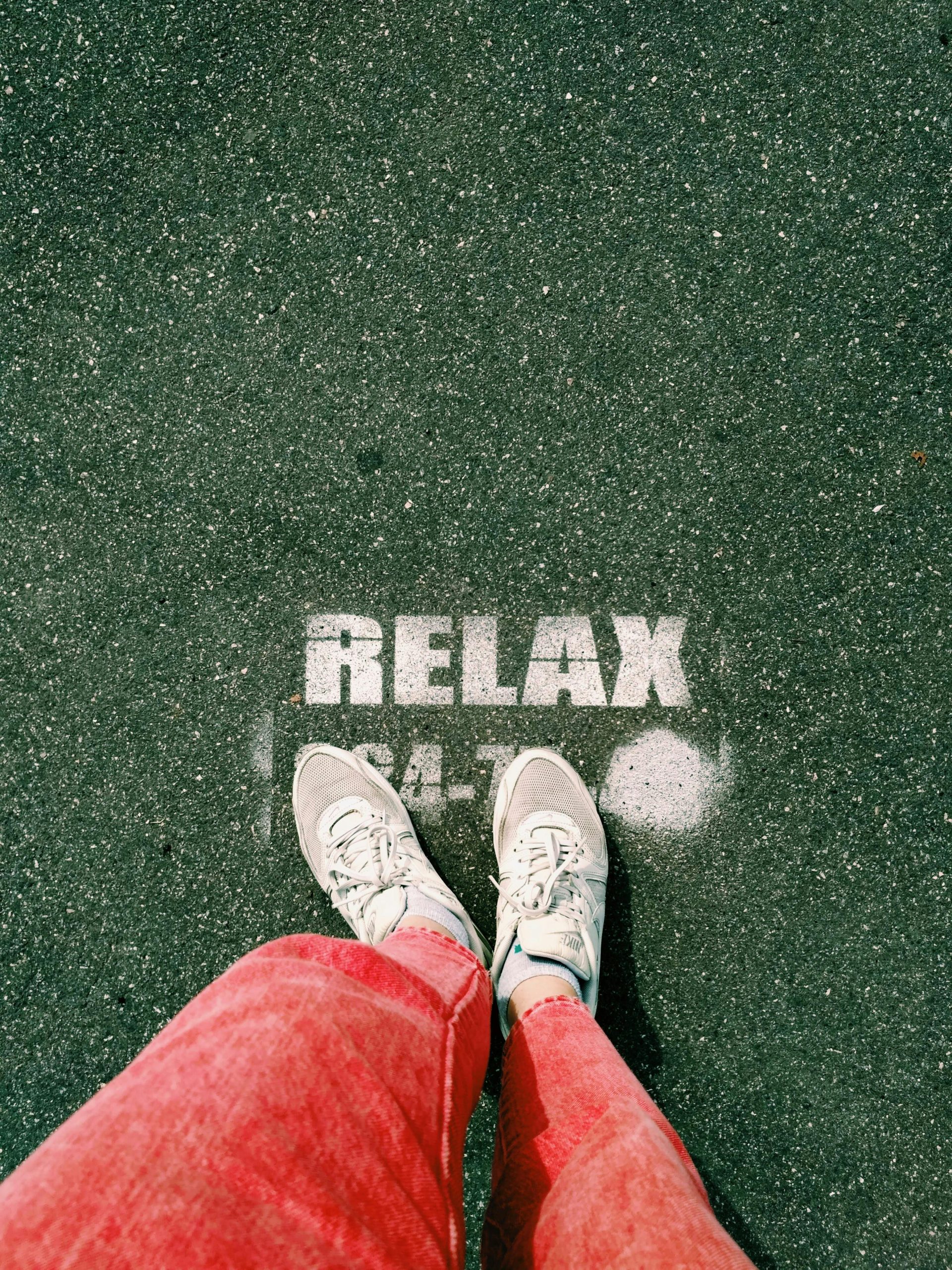
Most discomfort doesn’t come from doing too much.
It comes from doing small things, the same way, every day — without really noticing.
How you sit at the table. How you stand at the sink. The way you get out of the car. How you breathe when you’re concentrating.
None of these feel significant on their own. But over time, they shape how comfortable (or uncomfortable) your days feel.
The good news? You don’t need to overhaul your routine to feel a difference.
Often, it’s the small adjustments that matter most.
Start with noticing, not fixing
Before changing anything, it helps to notice what your body is already doing.
Do you perch on the edge of chairs?
Lock your knees when you stand?
Hold your breath when you’re focused?
Rush through movements without realising?
There’s no judgement here. Most of us do these things without thinking.
Awareness is the first adjustment.
Sitting: supported, not stiff
“Sitting up straight” rarely helps for long.
Instead, think supported rather than rigid. Let the chair take some of the load. Allow your feet to rest on the floor. Notice if your shoulders creep upwards when you’re working or scrolling.
Small shifts — changing position, resting your back, uncrossing your legs — can make sitting feel less effortful over time.
Standing: balanced, not braced
When standing for longer periods, many people brace without realising.
Try softening your knees instead of locking them. Let your weight distribute evenly through both feet. Imagine standing tall without tensing.
It’s not about posture perfection. It’s about ease.
Moving between positions
Transitions are where strain often sneaks in.
Getting out of bed. Standing from a chair. Lifting something light but awkward.
Slowing these moments down — even slightly — gives your body time to respond rather than react. Using your breath, engaging your legs, and moving with intention can make everyday tasks feel more manageable.
Breathing: the quiet helper
Breathing often changes when we’re stressed, busy, or concentrating.
Shallow breaths. Held breaths. Forgotten breaths.
Occasionally checking in and allowing your breath to move more freely can help reduce unnecessary tension — especially through the neck, shoulders, and chest.
It’s one of the simplest adjustments, and one of the easiest to overlook.
Small changes, real impact
None of these suggestions are dramatic. That’s the point.
Comfort often improves not through big interventions, but through small, repeatable changes that fit into real life.
Supportive care can help you notice what matters for your body — and which adjustments are worth your attention.
If you’d like guidance on small changes that suit your body and lifestyle, we’re here to help.
Sources
- NHS – Posture and everyday movement
- Chartered Society of Physiotherapy – Movement and daily activity
- Versus Arthritis – Everyday movement and comfort
- Mental Health Foundation – Breathing and physical tension