

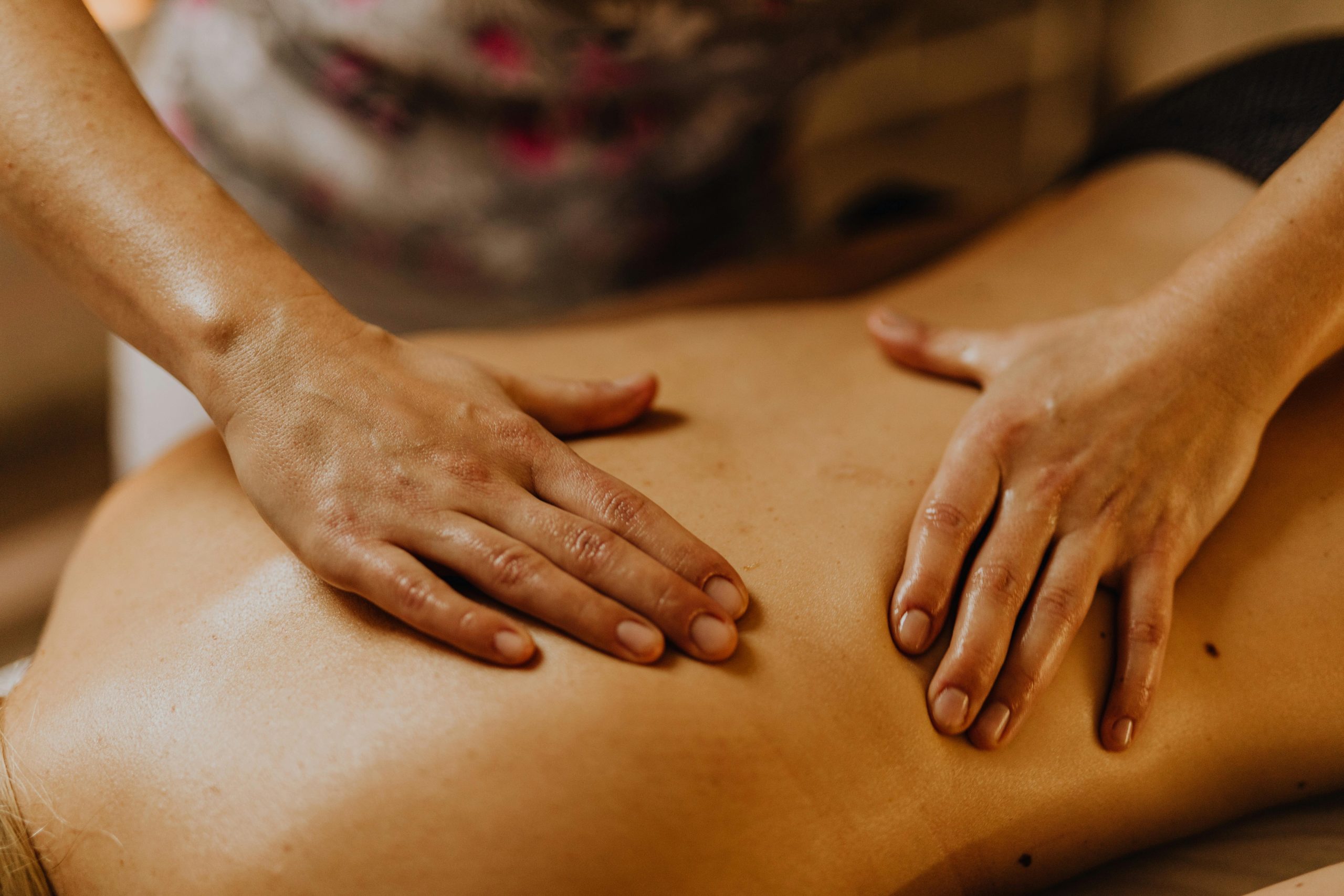
Massage therapy is often seen as something you treat yourself to.
A luxury.
An occasional reset.
Something you book when things feel particularly tense.
But for many people, it becomes something much more regular than that.
Not because they have to—but because of how it helps them feel, move, and recover.
Because over time, it becomes less about a treat…
and more about supporting your health.
It’s one of the few times nothing is expected of you
Most of your day is spent doing.
Thinking ahead. Solving problems. Moving from one thing to the next.
Even when you rest, your mind is often still busy.
Massage is different.
You don’t need to do anything.
You don’t need to explain anything.
You don’t need to get anything right.
You’re simply given time to be still.
Your body gets your attention again
Not in a critical way.
Not in a “what’s wrong?” way.
Just in a quiet, noticing way.
You might become aware of areas that feel tight or overworked.
Or realise how much your body has been compensating.
Or simply notice how different it feels to slow down.
That awareness matters.
Because it’s often the first step in helping the body shift—whether that’s easing long-standing tension or supporting recovery from something more recent.
It’s not just relaxation—it’s part of rehabilitation
Massage can absolutely help you switch off.
But it also plays a practical role in how your body heals and recovers.
With a more focused approach—like deep tissue or sports massage—it can:
- support recovery from injury
- reduce muscle tension and guarding
- improve movement and flexibility
- help circulation and tissue health
- ease ongoing aches and chronic discomfort
For acute issues, it can help calm things down and support the early stages of healing.
For chronic conditions, it can help your body gradually let go of patterns it’s been holding for a long time.
Sometimes the changes are subtle.
But sometimes they’re not.
And that’s where people often notice the real difference.
It’s guided by you
A common question is whether massage will feel uncomfortable.
The answer is that it should always feel manageable.
Pressure, pace, and focus can all be adjusted depending on what feels right for you.
Some people prefer a more focused, therapeutic approach.
Others need something gentler and more calming.
Often, it’s a combination of both.
You’re always part of the process.
And the treatment is shaped around what your body needs on the day.
Why people come back
Not because something is “wrong.”
But because they feel a real, tangible difference in their body.
Sometimes that looks like:
- moving more freely
- feeling lighter
- sleeping better
- having less pain day to day
And sometimes the shifts feel bigger than expected.
A shoulder that’s been stuck for months starts to ease.
Tension that felt constant begins to lift.
The body feels more like itself again.
Over time, many people start to see massage as more than a one-off treatment.
It becomes part of how they look after themselves.
Part of their health.
Part of their healing journey.
A gentle place to start
If you’ve been noticing tension, stiffness, or just a sense that your body isn’t quite where you’d like it to be… it’s worth paying attention to that.
You don’t need to wait until it becomes painful.
And you don’t need to push through it.
Often, the sooner you respond to what your body is telling you, the easier it is to shift.
Booking in can be a simple first step.
Not a big commitment—just a chance to see how your body responds with the right support.
At Luck’s Yard Clinic, massage therapy offers a calm, supportive space to pause, reset, and reconnect with your body in a way that feels right for you.
If you’re ready to feel the difference for yourself, you’re very welcome to book in and start from where you are.
Sources:
- NHS: Massage and complementary therapies overview
- National Center for Complementary and Integrative Health (NCCIH): Massage Therapy
- British Massage Therapy Council