
You finish a long drive, get up from the sofa or push your chair away from the desk.
Then it happens.
Your lower back feels stiff, uncomfortable or reluctant to straighten. The first few steps may feel awkward, but once you begin moving, things often start to ease.
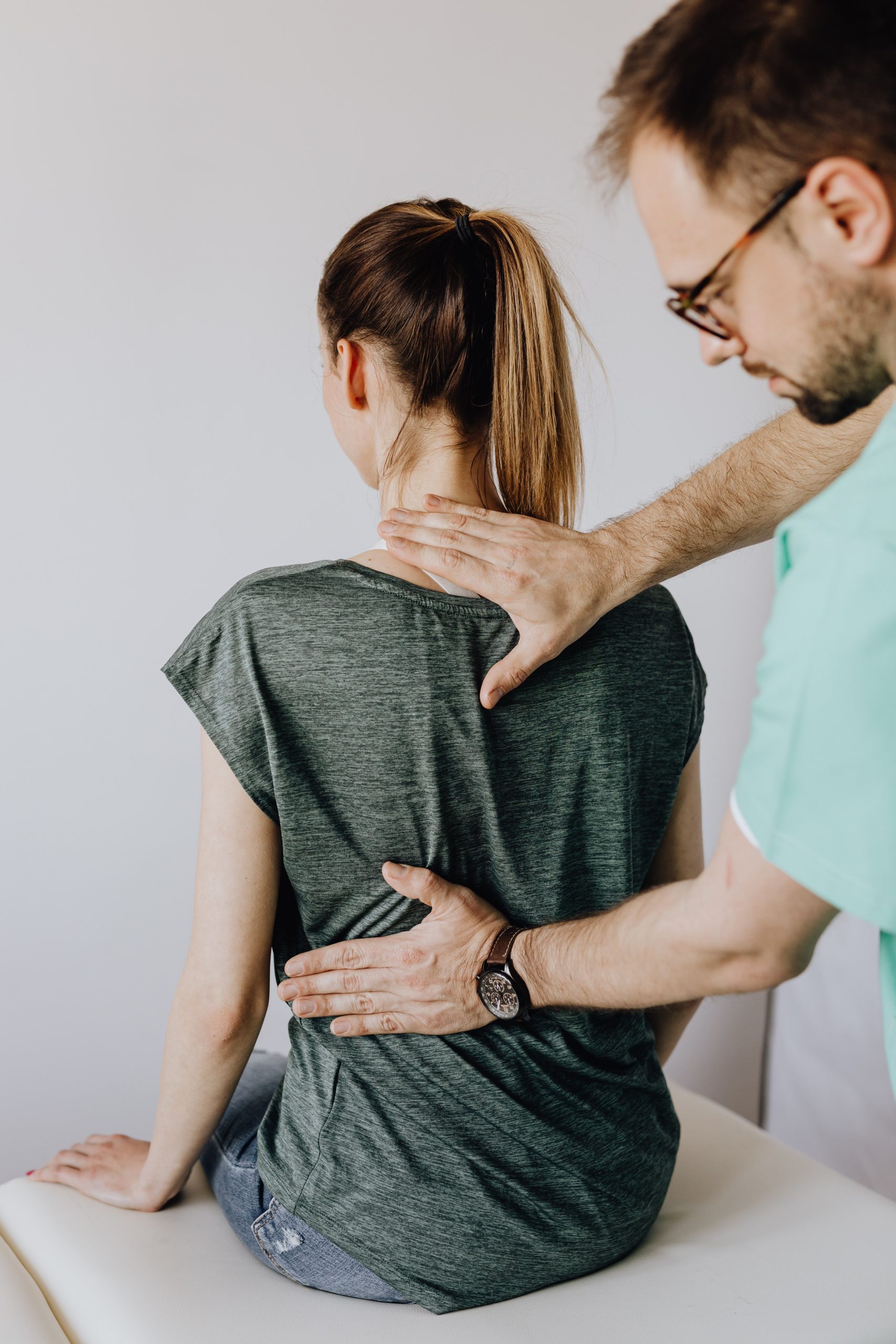
Lower back pain when standing up after sitting is a familiar problem. It can be frustrating, particularly when the chair itself felt perfectly comfortable.
Sitting comfortably is still sitting
It is easy to focus on finding the “right” chair or the perfect sitting posture. While a supportive set-up may help, even a comfortable position can become uncomfortable if you stay in it for too long.
Your body is designed to move.
When you sit for an extended period, your lower back, hips and surrounding muscles remain within a fairly limited range. When you suddenly ask them to stand, straighten and support you again, they may initially feel stiff or sensitive.
This does not automatically mean that something has been damaged. It may simply be a sign that your body would benefit from more regular movement and variation.
Why does it happen after driving or sitting on the sofa?
Not all sitting is the same.
A soft sofa can allow you to sink backwards or sit unevenly. Driving keeps you in a restricted position, often with one leg working differently from the other. Desk work may involve hours of concentration with very few changes in position.
Over time, you may notice:
- Stiffness across the lower back
- Discomfort when first standing
- Tightness around the hips or buttocks
- A need to take several steps before standing upright
- Pain after longer periods of sitting
Sometimes the discomfort may be related to a muscular strain or irritation elsewhere in the back. In other cases, symptoms such as pain, tingling or numbness travelling into the leg may need further assessment.
Small changes can make a difference
You do not necessarily need to replace your chair or completely redesign your workspace.
Start with movement.
Try standing up or walking around regularly rather than waiting until your back feels stiff. Even a short walk to make a drink, answer the door or stretch your legs can provide a useful change of position.
When getting up, bring your feet underneath you, move towards the edge of the seat and use your legs to rise. If necessary, use the arms of the chair for support.
It may also help to:
- Avoid sitting with your legs stretched out for long periods
- Change position frequently
- Take breaks during longer journeys
- Build walking and general activity into your day
- Gradually improve strength around your back, hips and legs
- Use gentle warmth if it feels comfortable
The aim is not to hold yourself rigidly in a “correct” position. It is to give your body more variety.
How Luck’s Yard Clinic can help
If lower back pain after sitting keeps returning, an assessment can help identify the movements, habits and other factors that may be contributing.
Chiropractic care may focus on how your lower back, pelvis and surrounding areas are moving, alongside practical advice for daily life.
Physiotherapy can assess strength, mobility and function before creating a gradual rehabilitation programme.
Massage therapy may help with muscular tension and can be used alongside movement and exercise advice where appropriate.
At Luck’s Yard Clinic, your support will be shaped around you, whether the problem appears after desk work, driving, relaxing on the sofa or a combination of all three.
When should you seek medical advice?
Speak to your GP if the pain is not improving after a few weeks, is worsening, affects your normal activities or is accompanied by unexplained weight loss, night pain or feeling unwell.
Call 999 or go to A&E if back pain is accompanied by numbness around the genitals or bottom, changes in bladder or bowel control, weakness or numbness in both legs, chest pain or follows a serious accident.
If that familiar stiffness is making you dread standing up, book an appointment with the Luck’s Yard team. We can help you explore why it may be happening and how to move forward with greater confidence.